Mastering the Grunge Texture Background for Bold Design
There is a specific kind of perfection found in imperfection. In the world of digital design, where vectors are sharp and pixels are precise, we often crave something that feels a bit more human, a bit more lived-in. This is where the Grunge Texture Background enters the conversation. It is not merely a filter; it is a digital paper asset that simulates the wear and tear of time—think concrete dust, rusted metal, peeling paint, and heavy grain. For designers and creators, these textures are not just decorative; they are foundational elements that establish mood and authenticity immediately.
When we talk about a "grunge" aesthetic, we are looking at a visual language that rejects the sterile. It is gritty, tactile, and raw. A high-quality Grunge Texture Background offers a complex layering of scratches, stains, and smudges that can transform a flat, lifeless canvas into a surface with history. Whether you are working on a vintage music poster, a rugged brand identity, or a moody website header, these digital papers provide the depth needed to make your content pop. They bridge the gap between the digital realm and the physical world, allowing your audience to almost "feel" the design through the screen.
The Anatomy of a High-Quality Digital Paper
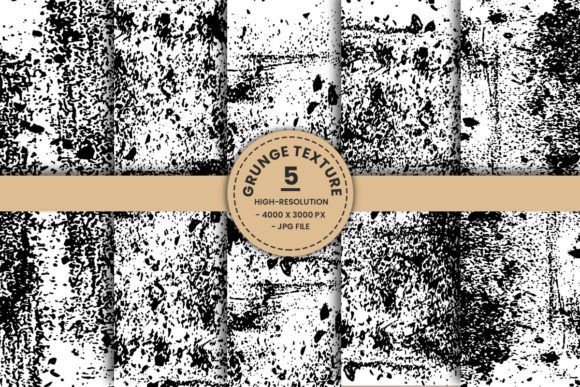
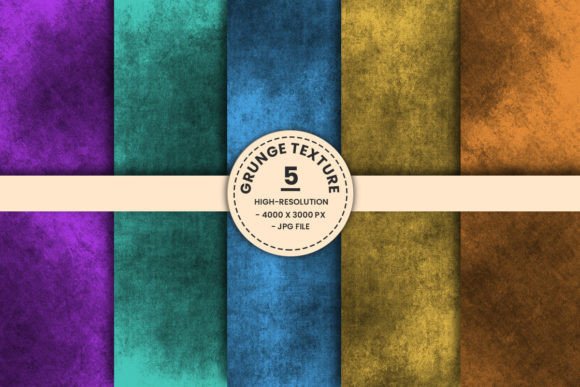
Not all textures are created equal. A professional-grade Grunge Texture Background is defined by its resolution and versatility. The specific digital product we are analyzing includes five distinct digital papers in JPG format, sized at a substantial 4000 x 3000 pixels. Why does this matter? In the realm of design assets, size equals flexibility. A texture that looks good on a small Instagram post might fall apart when printed on a large format banner or a high-resolution magazine cover.
At 4000 pixels wide, these digital papers are built for heavy lifting. You can crop aggressively into the texture to find a unique detail—perhaps a specific scratch pattern or a cluster of stains—and still maintain crisp clarity. The JPG format ensures broad compatibility across different software, whether you are using Adobe Photoshop, Illustrator, Canva, or Procreate. However, the real value lies in the "personality" of the texture. A good grunge texture shouldn't look like a repetitive stamp. It should have organic flow, varying opacity, and a natural distribution of grit that feels chaotic yet balanced.
Strategic Applications: From Branding to Editorial Design
How do you actually use a Grunge Texture Background without making your design look messy? It comes down to control and context. This style of digital paper is incredibly versatile, but it shines brightest in specific scenarios where the goal is to evoke emotion or stand out in a crowded visual landscape.
Web Design and UI
In modern web design, minimalism has long been king, but there is a growing trend toward "neo-brutalism" and textured interfaces. Using a subtle grunge texture as a site-wide background can add warmth to a layout that might otherwise feel cold. It works exceptionally well for creative agencies, independent music blogs, or artisanal coffee shops. The key is to ensure the texture doesn't fight with your typography. If you are using a sans serif font for your body copy, the rough background provides a beautiful contrast to the clean lines of the text, improving visual hierarchy.
Social Media and Marketing
For social media graphics, stopping the scroll is the primary objective. A Grunge Texture Background creates an immediate atmosphere that a solid color block cannot match. It is perfect for announcements that need to feel "edgy" or "exclusive." Think of a product drop for a streetwear brand or a gritty movie poster promo. When paired with a bold display font, the texture anchors the text, making it feel stamped onto the surface rather than floating aimlessly. It adds a layer of professionalism and intentionality to your content creation strategy.
Packaging and Editorial Design
In packaging design, tactile cues are everything. Even on a flat label, a grunge texture implies a product that is handcrafted or authentic. It suggests that the brand doesn't hide behind polish. For editorial design, such as magazine layouts or book covers, these textures can unify disparate images. By overlaying a consistent Grunge Texture Background across a multi-page spread, you create a cohesive brand identity that ties the layout together, giving it a curated, art-journal feel.
Integrating Texture with Typography
One of the most common challenges designers face is legibility. A Grunge Texture Background is busy by nature. If you pair it with a complex script font or a handwritten font that has thin strokes, you risk creating a visual headache. The practical advice here is to treat the texture and the type as partners in a dance. If the background is loud and chaotic, your typography needs to be strong and clear.
Consider using a heavy weight serif font or a bold geometric sans serif font. The thick strokes of these typefaces can hold their own against the visual noise of the texture. You can also use techniques like placing a semi-transparent shape behind your text or applying a slight "knockout" effect to separate the letters from the background. This ensures that your message is communicated clearly while still benefiting from the gritty aesthetic. It is about balancing the creative font choices with the complexity of the background to maintain readability and flow.
Practical Workflow and Commercial Considerations
When you download a set of digital papers, your workflow should be systematic. Since these assets are provided in a ZIP file, the first step is extraction. Once unzipped, import the JPGs into your library. A pro tip for using Grunge Texture Backgrounds is to experiment with blending modes in Photoshop or your preferred editor. Modes like "Multiply," "Overlay," or "Soft Light" can drastically change the look of the texture, allowing you to tint it to match your brand colors or blend it seamlessly into existing photography.
From a business perspective, understanding the licensing of your design assets is crucial. Most premium digital papers are licensed for commercial use, meaning you can use them in client work, merchandise, and marketing materials. However, you typically cannot resell the raw files themselves. Always check the specific terms included with your download. Investing in high-resolution assets like these 4000x3000 pixel files saves time and money in the long run. You avoid the need to purchase new textures for every project because a high-res file can be reused and manipulated in infinite ways.
Elevating Your Creative Projects
Ultimately, the goal of using a Grunge Texture Background is to tell a better story. Design is about communication, and sometimes, a clean white background says "corporate," while a scratched, weathered surface says "authentic." Whether you are a blogger looking to add personality to your headers, a marketer creating a gritty campaign, or a crafter designing a unique collage, these digital papers are a staple in a modern designer's toolkit. They remind us that in a digital age, a little bit of analog grit goes a long way in connecting with your audience.