Doctor Clipart and Medical Worker Design Assets
The Visual Character of Hand-Drawn Medical Illustrations
There is a specific kind of warmth that only hand-drawn artwork can bring to a project. When you are working with Doctor Clipart, specifically those categorized as Medical Worker illustrations, you are dealing with more than just a digital file; you are accessing a visual language that speaks of care, authority, and approachability. Unlike generic vector icons found in standard software suites, these hand-drawn assets offer a distinct personality. The lines are rarely perfectly straight, and the shading often mimics the texture of ink on paper. This imperfection is actually the asset's greatest strength. It humanizes the medical profession, making the imagery feel less clinical and more relatable to patients and customers alike.
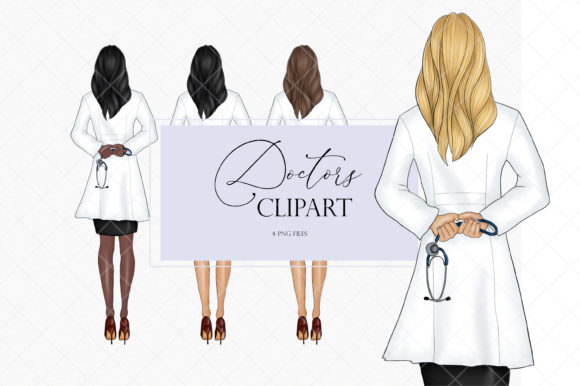
The style of these Medical Worker illustrations typically balances professionalism with a fashion-forward aesthetic. You will often find doctors depicted not just in stiff poses, but in dynamic stances that suggest movement and activity. The "fashion illustration" aspect of the clipart implies a certain flair in the linework—perhaps a more stylized take on the lab coat or a more expressive rendering of the stethoscope. This makes the Doctor Clipart particularly useful for projects that need to convey modern healthcare trends rather than outdated medical stereotypes. The visual appeal lies in this blend of realism and artistic interpretation, allowing the images to function as both informational graphics and decorative elements.
Practical Applications for Designers and Entrepreneurs
Understanding where to deploy these assets is key to maximizing their value. Because the package includes four high-resolution PNG files with transparent backgrounds, the versatility is immense. For the small business owner or crafter, these files are ready for immediate production. You do not need advanced software skills to remove backgrounds; the isolation is already done. This opens the door to a wide range of physical products. Consider the planner market: a Medical Worker illustration makes for a charming sticker on a nurse's weekly planner or a hospital administrator's desk calendar. The "fashion" element ensures the design looks stylish rather than childish, appealing to the adult demographic of 20 to 50 who appreciate sophisticated stationery.
For digital creators and marketers, the applications extend into branding and web design. If you are running a health blog, a medical spa, or a wellness coaching service, generic stock photography can feel sterile. Using these hand-drawn illustrations as web icons or background elements adds a layer of personality to your brand identity. They work exceptionally well for "About Us" pages, where you want to introduce a medical team with a touch of warmth. Furthermore, these assets are excellent for social media graphics. In a sea of high-gloss, corporate imagery, a hand-drawn Doctor Clipart stands out. It breaks the visual noise of a user's feed, inviting them to pause and engage with the content. You can use them to highlight tips, announce new services, or simply decorate a "Happy Doctor's Day" post.
The commercial potential is also significant. If you are in the business of selling printable art or party supplies, these illustrations are a cornerstone asset. Imagine creating a set of "Baby Shower" invitations where the theme is "Future Doctor." The clipart provides the perfect focal point. Similarly, for mug printing businesses, a witty quote paired with a stylish medical illustration can create a bestselling product for medical school graduations or Nurse Appreciation Week. The fact that these are hand-drawn ensures that your final product feels custom and curated, which often allows for a higher perceived value compared to items using standard clip art.
Design Strategy and Integration
When integrating Doctor Clipart into your work, visual hierarchy is your primary concern. Because these are design assets with a distinct hand-drawn style, they pair best with typography that complements rather than competes. If the illustration is intricate, avoid overly decorative script fonts for the body text. Instead, opt for a clean sans serif font for readability. However, for headlines, a bold display font or a sophisticated serif font can bridge the gap between the artistic illustration and the professional message. The goal is to create a cohesive visual hierarchy where the eye is drawn to the image, then flows naturally into the text.
Color management is another critical factor in professional editorial design and packaging design. The product notes mention that colors can vary between monitors. As a designer, you must account for this. When printing, always run a test batch if possible, especially if the medical illustration is part of a color-coded system (e.g., different colors for different departments or specialties). The transparent background is a massive advantage here, allowing you to place the doctor over any color palette. If you are working on a dark-mode website or a dark greeting card, you may need to invert the colors of the clipart if the original file is black ink, though usually, these assets are provided in a way that maintains legibility across various backgrounds.
Finally, consider the narrative you are building. A Medical Worker illustration is a character. In packaging design for a pharmaceutical product or a wellness kit, this character can guide the user through the instructions. In web design, the character can be used to point out key features or call-to-action buttons. This approach turns a static image into a functional UI element. By leveraging the "fashion illustration" aspect, you are signaling that your brand is current, stylish, and attentive to detail. It moves the brand identity away from the cold, sterile feel of traditional medical imagery and toward a more human-centric, approachable aesthetic that resonates deeply with modern audiences. Whether you are creating a business card for a private practice or a blog background for a health columnist, these assets provide the flexibility and quality needed to execute a professional vision.
Doctor Clipart and Medical Worker Design Assets
The Distinctive Style of Hand-Drawn Medical Illustrations
There is a specific kind of warmth that only hand-drawn artwork can bring to a project. When you are working with Doctor Clipart, specifically those categorized as Medical Worker illustrations, you are dealing with more than just a digital file; you are accessing a visual language that speaks of care, authority, and approachability. Unlike generic vector icons found in standard software suites, these hand-drawn assets offer a distinct personality. The lines are rarely perfectly straight, and the shading often mimics the texture of ink on paper. This imperfection is actually the asset's greatest strength. It humanizes the medical profession, making the imagery feel less clinical and more relatable to patients and customers alike.
The style of these Medical Worker illustrations typically balances professionalism with a fashion-forward aesthetic. You will often find doctors depicted not just in stiff poses, but in dynamic stances that suggest movement and activity. The "fashion illustration" aspect of the clipart implies a certain flair in the linework—perhaps a more stylized take on the lab coat or a more expressive rendering of the stethoscope. This makes the Doctor Clipart particularly useful for projects that need to convey modern healthcare trends rather than outdated medical stereotypes. The visual appeal lies in this blend of realism and artistic interpretation, allowing the images to function as both informational graphics and decorative elements.
Practical Applications for Designers and Entrepreneurs
Understanding where to deploy these assets is key to maximizing their value. Because the package includes four high-resolution PNG files with transparent backgrounds, the versatility is immense. For the small business owner or crafter, these files are ready for immediate production. You do not need advanced software skills to remove backgrounds; the isolation is already done. This opens the door to a wide range of physical products. Consider the planner market: a Medical Worker illustration makes for a charming sticker on a nurse's weekly planner or a hospital administrator's desk calendar. The "fashion" element ensures the design looks stylish rather than childish, appealing to the adult demographic of 20 to 50 who appreciate sophisticated stationery.
For digital creators and marketers, the applications extend into branding and web design. If you are running a health blog, a medical spa, or a wellness coaching service, generic stock photography can feel sterile. Using these hand-drawn illustrations as web icons or background elements adds a layer of personality to your brand identity. They work exceptionally well for "About Us" pages, where you want to introduce a medical team with a touch of warmth. Furthermore, these assets are excellent for social media graphics. In a sea of high-gloss, corporate imagery, a hand-drawn Doctor Clipart stands out. It breaks the visual noise of a user's feed, inviting them to pause and engage with the content. You can use them to highlight tips, announce new services, or simply decorate a "Happy Doctor's Day" post.
The commercial potential is also significant. If you are in the business of selling printable art or party supplies, these illustrations are a cornerstone asset. Imagine creating a set of "Baby Shower" invitations where the theme is "Future Doctor." The clipart provides the perfect focal point. Similarly, for mug printing businesses, a witty quote paired with a stylish medical illustration can create a bestselling product for medical school graduations or Nurse Appreciation Week. The fact that these are hand-drawn ensures that your final product feels custom and curated, which often allows for a higher perceived value compared to items using standard clip art.
Design Strategy and Integration
When integrating Doctor Clipart into your work, visual hierarchy is your primary concern. Because these are design assets with a distinct hand-drawn style, they pair best with typography that complements rather than competes. If the illustration is intricate, avoid overly decorative script fonts for the body text. Instead, opt for a clean sans serif font for readability. However, for headlines, a bold display font or a sophisticated serif font can bridge the gap between the artistic illustration and the professional message. The goal is to create a cohesive visual hierarchy where the eye is drawn to the image, then flows naturally into the text.
Color management is another critical factor in professional editorial design and packaging design. The product notes mention that colors can vary between monitors. As a designer, you must account for this. When printing, always run a test batch if possible, especially if the medical illustration is part of a color-coded system (e.g., different colors for different departments or specialties). The transparent background is a massive advantage here, allowing you to place the doctor over any color palette. If you are working on a dark-mode website or a dark greeting card, you may need to invert the colors of the clipart if the original file is black ink, though usually, these assets are provided in a way that maintains legibility across various backgrounds.
Finally, consider the narrative you are building. A Medical Worker illustration is a character. In packaging design for a pharmaceutical product or a wellness kit, this character can guide the user through the instructions. In web design, the character can be used to point out key features or call-to-action buttons. This approach turns a static image into a functional UI element. By leveraging the "fashion illustration" aspect, you are signaling that your brand is current, stylish, and attentive to detail. It moves the brand identity away from the cold, sterile feel of traditional medical imagery and toward a more human-centric, approachable aesthetic that resonates deeply with modern audiences. Whether you are creating a business card for a private practice or a blog background for a health columnist, these assets provide the flexibility and quality needed to execute a professional vision.